Why on-the-day coordination matters
- Jul 3
- 2 min read
Updated: Jul 6
Planning a private party involves many moving parts, from guest flow to lighting. Even with careful preparation, the day of the event can bring unexpected challenges. That is why on-the-day coordination plays a crucial role in making birthdays, anniversaries, and milestone celebrations truly memorable. This post explores five practical tips to help you understand how simple decisions and timely management can elevate your event experience.

Manage guest flow smoothly
One of the biggest challenges at private parties is managing how guests arrive, mingle, and move around. Poor guest flow can cause bottlenecks at entrances, food stations, or restrooms, leading to frustration.
Create clear entry and exit points. Use signage or staff to guide guests as they arrive and leave.
Designate areas for different activities. For example, separate the dining area from the lounge or dance floor to avoid crowding.
Plan seating arrangements thoughtfully. Group guests with common interests or relationships to encourage conversation and comfort.
By coordinating these details on the day, you ensure guests feel welcomed and relaxed, which sets a positive tone for the celebration.
Adjust lighting to set the mood
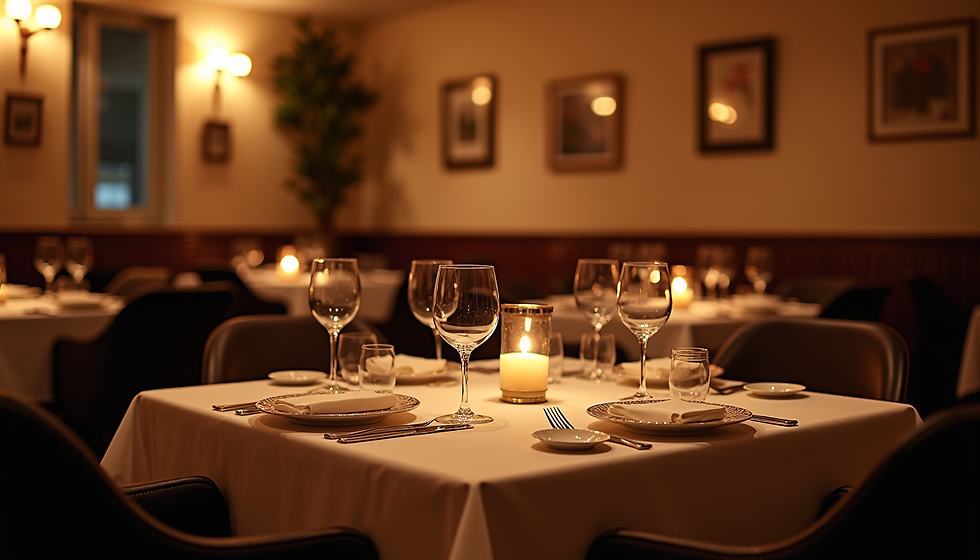
Lighting affects the atmosphere more than most people realize. Bright, harsh lights can feel clinical, while dim lighting might make it hard to see or navigate.
Use layered lighting. Combine overhead lights, table lamps, and candles to create warmth and depth.
Consider the event’s timing. Natural light works well for daytime parties, but as evening falls, switch to softer, warmer bulbs.
Highlight key areas. Use spotlights or fairy lights around the cake table, gift area, or photo booth to draw attention.
On-the-day coordination allows you to adjust lighting based on the actual environment and guest preferences, enhancing the overall experience.
Coordinate food and beverage service efficiently
Food and drinks are central to any celebration, but delays or confusion can spoil the mood quickly.
Schedule service times clearly. Communicate with caterers and servers about when to start and pace the meal or snacks.
Set up self-serve stations strategically. Place drinks and appetizers in accessible spots to avoid crowding.
Have backup plans. Keep extra supplies ready and assign someone to monitor food levels and guest needs.
A coordinator on site can handle last-minute changes, ensuring guests are well-fed and happy throughout the event.
Manage entertainment and timing
Entertainment keeps guests engaged and marks important moments like speeches or cake cutting.
Create a timeline. Outline when music, games, or speeches will happen.
Communicate with performers or DJs. Make sure they know the schedule and any special requests.
Be flexible. Adjust timing if guests want to linger or move on to the next activity sooner.
On-the-day coordination helps keep the event flowing smoothly without feeling rushed or disorganized.
Handle unexpected issues calmly
No matter how much you plan, surprises happen. Weather changes, technical glitches, or last-minute guest additions can throw off your schedule.
Assign a point person. Someone who can make quick decisions and solve problems quietly.
Prepare emergency kits. Include items like extra batteries, tape, first aid supplies, and chargers.
Stay calm and positive. Your attitude influences the mood of guests and staff.
Having a coordinator focused on these details means the host can enjoy the celebration without stress.